Blog / Honda Auto Repair

Blog

All Honda Auto Repair New Honda Honda Dealership Local Honda Dealer Safety Features Technology 2024 Model Year Test Drive 2025 Model Year SUV Civic Accord Tires Trim Levels CR-V Odyssey Pilot Brakes Civic Hatchback CR-V Hybrid Food in Ontario HR-V Hybrid Leasing Prologue Accord Sedan Civic Sedan Hybrid Passport Ridgeline Things to do in Ontario Trade-In Transmission Warranty
A service technician performing an inspection at a shop near Ontario, California

Routine Maintenance Strategies for Honda Owners

Regular Honda maintenance is the key to many enjoyable miles and years at the wheel of your Honda. As your Honda dealer, we provide all the maintenance needed to keep your vehicle in good shape. These are a few examples of maintenance we supply. more Oil Change Healthy oil provides numerous benefits for your engine. It lubricates numerous components, allowing them to work smoothly and protecting them against friction damage. Oil additives break down deposits that could cause blockages or engine damage, and they also protect the engine against rust. Oil degrades over time and needs to be replaced every 5,000 to 7,000 miles, depending on your model. Old oil contains dirt and other debris collected during movement through the engine. This makes the oil slower, reducing its cooling and lubricating properties. Our technicians will drain the old oil and replace the oil filter to ensure the oil moves freely. Once this is done and the oil sump is sealed, we'll add new oil. Engine Filter Replacement The engine air filter continually traps dust and dirt in the air, preventing these contaminants from reaching your engine. Vast amounts of air are required for combustion, and all this air passes through the engine air filter. Once inside your engine, the now clean air mixes with fuel to form the fuel-air mix that's used to produce combustion. The air filter will eventually become blocked with dirt, severely restricting airflow into the engine. The lack of air turns your engine fuel-rich. A fuel-rich engine is inefficient, as much of the fuel can't burn due to the lack of air and is wasted. A fuel-rich engine also causes damage to your ignition coils and spark plugs. We can replace this filter ​in minutes and the ​fuel-air balance in your engine will return to normal. Brake Pad Replacement Brake pads are a vital part of the braking system as they provide the friction that stops the wheels. They fit into the brake calipers, which are positioned above each wheel rotor. The calipers are forced against the spinning rotors when you hit the brakes, and the pads generate friction against the rotors. This friction is provided by the 1/2" thick rough material covering the pads. A pad's friction-producing covering wears off, and when the material's thickness drops to 1/4", the pad needs replacement. The material contains a metal spike, which becomes visible once the material has worn down sufficiently. The spike will scratch against the rotor, producing a high-pitched screeching. Replacing the pads is a quick process, and the annoying screeching will disappear. If you'd like to book your next maintenance, contact our service department today at Penske Honda Ontario.

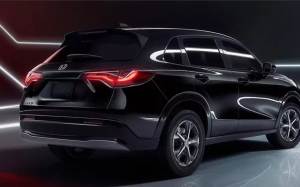
A rear view of a 2024 Honda HR-V parked near Ontario, California

Maintaining Your 2024 Honda: Essential Services

Cars need tweaking here and there to stay in great condition, and they also need to have their systems checked so any problems that arise can be repaired early. There are many essential maintenance services available at your local Honda dealer that you should get regularly. Below, we're going to discuss some of the most important services you need to get. more Oil Changes Oil changes are crucial to keeping your engine's parts lubricated and free of excessive wear and tear. Skipping oil changes can make your engine stall or overheat, and you may notice strange noises or deal with reduced fuel economy, too. Different models need oil changes at different intervals, so take a look at your owner's manual. It should give you a recommendation of how many miles you can drive between changes. Make sure you also visit the dealer for oil level top-offs in between changes, too. Battery Service Car batteries have a finite lifespan of about three years. When yours is old or damaged, you'll notice problems with your car's electrical system such as dim headlights and malfunctioning accessories. Trouble starting the vehicle is another issue you might face. However, problems with other parts of the electrical system of your car, such as the alternator, can cause the issues mentioned above, too. So, if you experience any of the problems described, then your dealer can test your battery's health to see if it needs to be replaced. The dealer can also replace it when the time comes. Tire Maintenance Your tires need to be rotated regularly, and you also need to get wheel alignments. When the tread on your tires wears down too much, then you need to replace your tires, too. Your dealer can take care of all of these tire services for you, making sure your tires are always fitted correctly and will last you for many years. Engine Diagnostics There are many unique systems in the car. It can be difficult to tell what's causing the problems your car is having, but the check engine light will turn on when there's a problem that needs to be taken care of. When you bring your car to the dealer, we can run an engine diagnostic to find out exactly what the issue is. This lets the mechanic at the dealership swiftly and accurately fix whatever is wrong with the car. Belt and Hose Replacements Over time, the hoses and belts in your car get old and wear down. They need to be replaced when this happens, and mechanics at the dealership will change out these components when necessary. We can provide the services above, as well as many others, to keep your vehicle in great shape. Visit Penske Honda Ontario in Ontario, CA to get these services regularly.

Radiator

Does Your Honda Need a Radiator Repair?

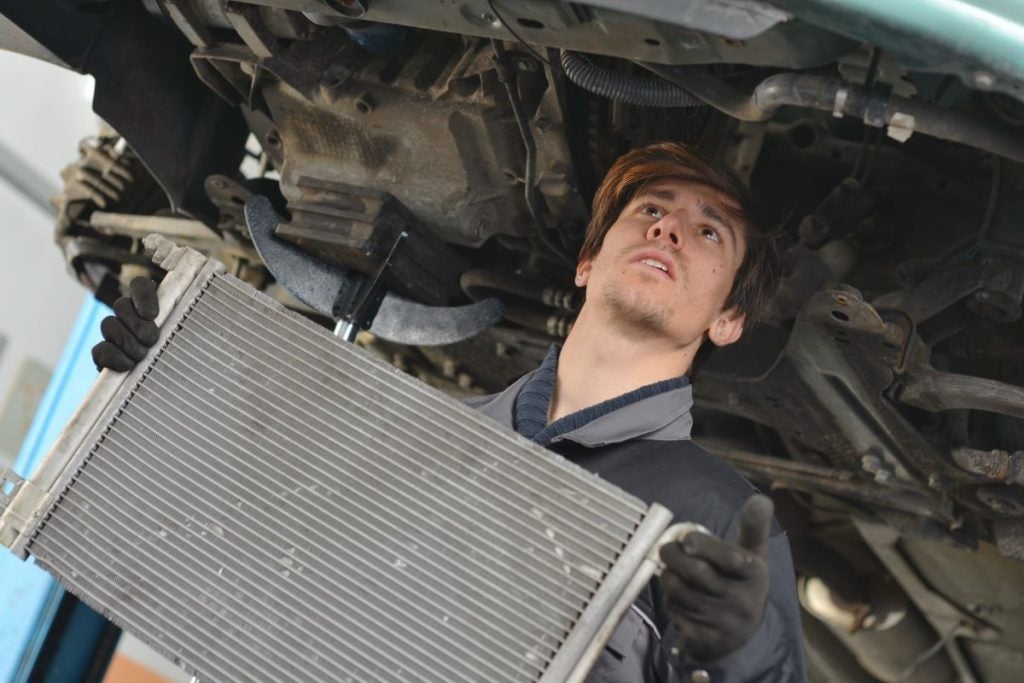
If you're driving along and steam starts pouring out from under the hood, then it's a sure sign you need a radiator repair. However, there are other symptoms of radiator trouble that can show up before your engine overheats. If you know the signs that your Honda needs its radiator fixed, then you'll know when to head to the Honda dealer before the problem gets too bad. more The Importance of Knowing When Your Honda Needs a Radiator Repair Your radiator is the central part of your car's cooling system, and it does one of the most important jobs of any of the components under your hood. Your cooling system cycles coolant through your engine to absorb heat. Without the coolant absorbing the heat, your engine would overheat. The coolant is then brought back to the radiator, which removes the excess heat from the liquid. If your radiator, or any other part of the cooling system, is faulty, then your vehicle is at risk of overheating. Your engine can't regulate its temperature without the help of your car's entire cooling system, so knowing the signs that something is wrong is vital. Signs You Need to Head to the Honda Dealer to Get Your Radiator Fixed Rust A lot of your radiator is made of metal, which can rust if it comes into contact with moisture. Sometimes moisture may get under your hood from outside, but other times, that moisture may come from a coolant leak. These leaks are usually small, splattering the radiator with only a tiny amount of coolant. The coolant evaporates rapidly, but moisture spots are left behind. Over time, these spots start to rust. Leaks Rusty spots on the radiator aren't the only sign of a coolant leak. One huge sign of a leak is a puddle of coolant under your car. Coolant has a very sweet smell and is bright in color, so it's difficult to miss it if it's pooling under the vehicle. The other sign that your car is leaking coolant is a rapidly falling coolant level. Check your vehicle's fluid levels every few weeks, and take note of how much liquid Is in the system each time. If there's a lot less coolant in the car than there was the last time you checked, then you might have a leak. Rising Temperature Keep an eye on your temperature gauge, and note if it starts showing that your car is running hotter than it used to. That can be a sign that there's something wrong with the cooling system, so you should visit the dealer before the problem gets worse. Come to Penske Honda Ontario so we can fix your radiator at the earliest sign of trouble. We'll also check on your radiator during routine maintenance to catch issues as early as possible.

Tire Rotation

5 Benefits of Getting a Tire Rotation at Your Honda Dealer

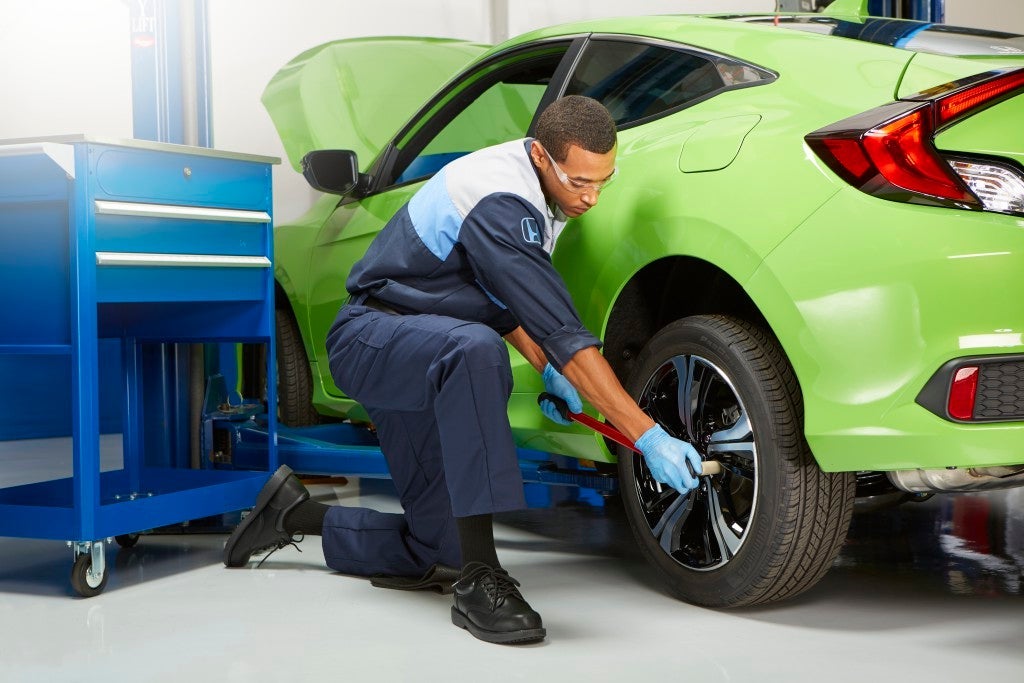
Getting a tire rotation at your Honda dealer is one of the easiest ways to improve your vehicle's performance. You should get your tires rotated every time you get an oil change, or as specified in your Honda owner's manual. If you haven't had your tires rotated in a long time, here are some reasons why you should do it as soon as possible. more 5 Benefits of Getting a Tire Rotation at Your Honda Dealer 1. Longer Tread Life Rotating your tires regularly evens out wear by changing each tire's position and exposing new tread to the pavement. Tires wear unevenly due to weight distribution and alignment issues, with the front ones wearing out faster than the rear ones. By rotating the tires, you distribute wear evenly across both sets, preventing uneven wear patterns. This lets you get the maximum mileage out of each tire before needing a replacement. 2. Improved Vehicle Performance When tread depth becomes uneven due to irregular wear, your Honda's handling, braking, and traction are negatively impacted. Rotating the tires ensures tread depths are uniform, so your tires can provide optimal grip and control. With consistent tread depth, your Honda will handle curves better, brake evenly and efficiently, and maintain excellent traction and stability, even on wet roads. 3. Better Fuel Economy As tire tread wears down over time, rolling resistance increases because there is more direct contact between the road and internal tire components. Increased resistance causes the engine to work harder to move your Honda, which decreases its fuel efficiency. Regular rotations even out tread depth across all tires. This reduces rolling resistance and restores optimal engine performance, leading to better fuel economy. 4. Increased Safety Uneven tread wear due to failure to rotate tires increases your chances of blowouts, fishtailing, and hydroplaning. All these are major safety hazards that increase the risk of getting into an accident. You should rotate your Honda's tires regularly to increase safety on the road. With uniform tread depth, your tires offer the grip you need to brake safely without skidding and maintain control on snow, ice, and wet roads. It also prevents tread separation blowouts caused by irregular wear. 5. Extra Cost Savings When you rotate your tires regularly, you get more mileage out of them and delay the need for costly replacements. Rotations also keep the suspension working smoothly and prevent premature wear and tear of crucial components like shocks, struts, ball joints, and other components. This can save you a lot of money on unexpected suspension repairs. Getting your tires rotated may be an inexpensive service, but it reaps major rewards for your Honda's drivability, efficiency, and longevity. Contact Penske Honda Ontario to schedule a comprehensive tire service for your vehicle. Our Honda-certified technicians will also assess your driving habits and recommend the best interval to get your tires rotated.

alternator

Does Your Honda Need an Alternator Repair?

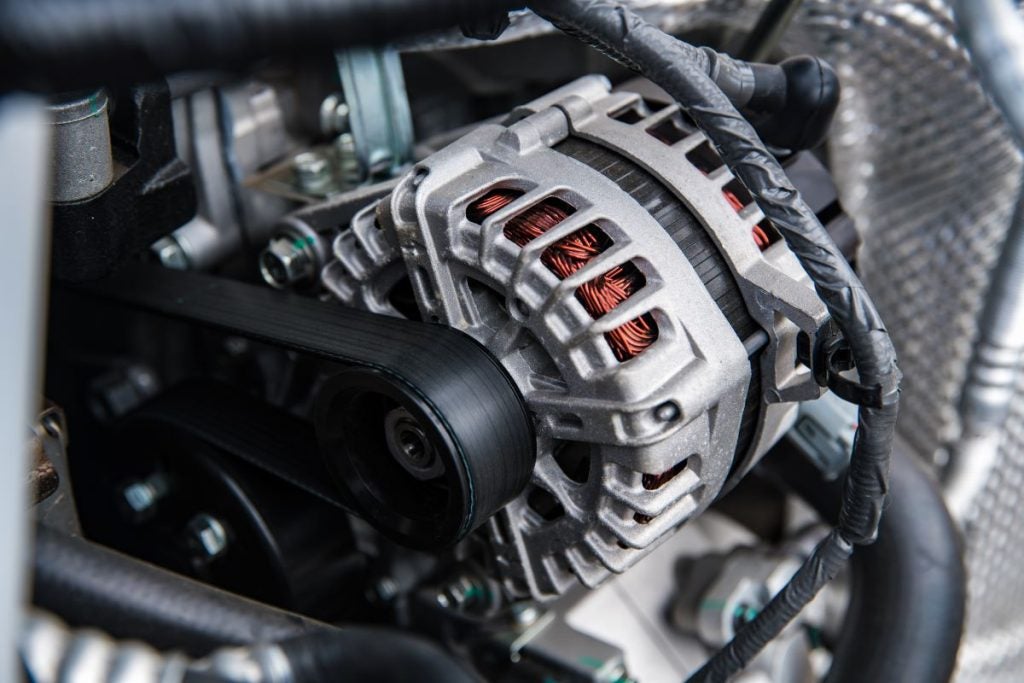
Your Honda's alternator is essential for charging your vehicle's battery and running various systems. Even though it only has a few parts, a faulty alternator can cause numerous problems. To determine if your Civic, Pilot, or Ridgeline needs an alternator repair from your Honda dealer, be on the lookout for the following red flags. Visit our dealership in Ontario, CA to speak with one of our expert service technicians for more in-depth advice. more Does Your Honda Need an Alternator Repair From Your Honda Dealer? The Battery Warning Light Is Illuminated If you notice that the battery warning light on your dashboard is on or flickering while using your headlights or accessories, there might be an issue with the alternator. Voltage fluctuations will put more strain on the alternator, and a faulty alternator won't be able to supply the necessary power, which will cause the battery warning light to turn on. Your Headlights Are Dim or Flicker If your vehicle's electrical needs aren't met, it can cause your headlights to vary in brightness, grow from dim to bright, or flicker when you accelerate or turn on accessories. Your alternator is not providing the necessary power to run the lights and accessories simultaneously. You Have Problems With the Accessories When your alternator is on the fritz, you'll notice a bunch of problems happening at the same time. For instance, slower-moving windows and windshield wipers, and the sunroof might get stuck. When your alternator is causing the accessories to malfunction, it's best to avoid using them until the alternator is repaired. You Hear Whining or Grumbling Sounds Paying attention to unfamiliar sounds can be a helpful indicator of potential alternator problems. If you hear high-pitched whining or grumbling noises, it could be a warning that your alternator is not working as it should. The sounds could be from a misaligned belt or worn bushings or bearings. It's always best to address any new noises as soon as possible to avoid more severe problems further down the road. You Smell Burning Rubber or Electrical Wires A faulty, overworked alternator can send too much power through the wires, causing the wires to heat up, resulting in a burning electrical or rubber smell. Another potential cause could be a misaligned pulley struggling to turn, increasing the friction on the rubber belt, causing heat and a burning smell. Your Car Won't Start If you have trouble starting your vehicle, it may not necessarily be due to a battery issue. However, a malfunctioning alternator can drain your battery, causing it to die and leave you stranded. To figure out if your battery or alternator is the root of the problem, try jump-starting your car and removing the jumper cables as soon as possible. If your vehicle dies, your alternator is not properly charging the system. If your car runs, then the battery is likely the issue. If you suspect your alternator is on the blink, schedule a service at Penske Honda Ontario today for an alternator repair. The qualified Honda technicians will find the problem fast, repair it expertly, and ensure your vehicle runs at its best.

Honda driving

5 Signs Your Honda Needs a Brake Repair

Honda Accord. Photo: Honda. Let's look at some of the most common warning signs that a car's brakes need professional attention. If you experience any of the issues below, don't hesitate to visit your local Honda dealer for brake repair. more 5 Signs Your Honda Needs a Brake Repair Squeaking or Squealing Sounds Whenever you use your brakes, the brake pads clamp onto the rotor discs. This generates the friction required to slow your vehicle and causes the brake pads to steadily wear down over time. When brake pads reach a certain minimum safe level of thickness, you'll hear a high-pitched squealing or squeaking sound. This noise is generated intentionally to let you know it's time to replace at least one of your brake pads. Metallic Grinding Sounds A loud metallic grinding when braking sound is a symptom of more urgent trouble. Grinding often means that one of your brake pads has lost its friction layer altogether and the pad's metal casing is scraping directly on the rotor, which may be causing a lot of damage. It's wise to have the worn-out brake pad replaced immediately. Vibrations in the Pedal or Steering Wheel Rotors tend to last a lot longer than brake pads, but over time, rotors become thinned by friction. When worn out by age or weakened by overheating, rotors can sometimes warp out of shape. This may create vibrations that you'll feel through the brake pedal or even through the steering wheel. If it's not too old, a warped rotor might be restored with a resurfacing process. Otherwise, it will have to go. Reduced Braking Responsiveness The most dangerous of brake problems is a sudden reduction in responsiveness. If you find that pressing the brake pedal isn't stopping your car as promptly as usual, pull over as safely as you can and try to figure out the problem. You may have a little moisture in the braking system or temporary overheating from overuse. However, the problem might also be more serious, such as a fault in the master cylinder or leaking brake fluid. Brake Fluid Puddling Under Your Car Brake fluid maintains hydraulic pressure inside the brake lines, which allows stopping power to transfer from the brake pedal to the calipers. If brake fluid ever leaks, you may see a puddle of yellow or brown liquid under your car. Your brakes are also likely to become soft or spongy underfoot. How Often To Visit Your Honda Dealer for a Brake Inspection Routine brake inspection is one of the most important servicing visits to have at your local dealership. It's generally recommended to have your brakes serviced whenever you have your tires rotated, which might be every 5,000 miles or about twice a year. Visit Penske Honda Ontario today to have your brake problems resolved by experienced technicians.

Transmission Repair

Does Your Honda Need a Transmission Repair?

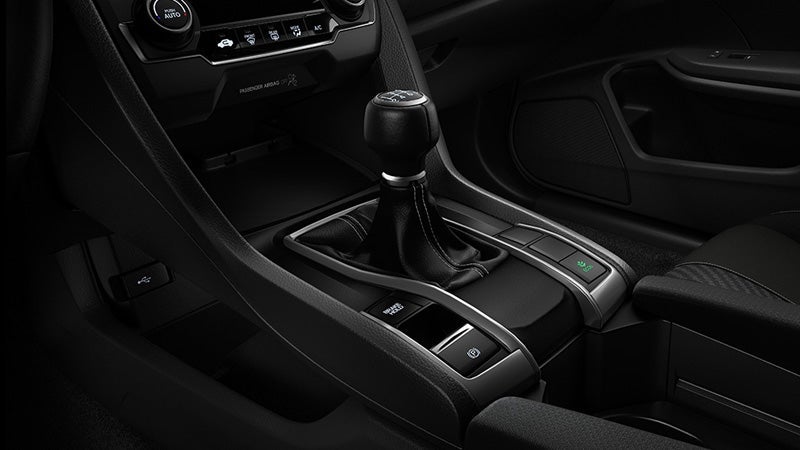
The job of your Honda transmission is to move power from the engine to the wheels. If your Accord, Civic, or Passport's transmission is on the fritz, get a transmission repair at your Honda dealer ASAP to avoid forking out heaps of cash for expensive repairs and replacements. more Does Your Honda Need a Transmission Repair From Your Honda Dealer? The Transmission Fluid Is Dirty and Contaminated Transmission fluid is a transparent bright red color and has a syrupy consistency. If it looks cloudy or turns a brownish color, it's contaminated. Old and contaminated transmission fluid won't cool down the moving parts, causing your transmission to overheat. There Is a Transmission Fluid Leak Your car is leaking transmission fluid if there are reddish puddles on the ground under your vehicle. Get the leaks repaired by a qualified Honda technician as soon as possible to prevent damage to other parts. You Struggle To Shift Gears If you drive a manual and it's hard to shift gears, your transmission is on the blink. It could be dirty or low transmission fluid causing the problem. Ask your technician to check under your car for leaks and replace the fluid. The Gears Pop In and Out When your car doesn't stay in gear, there could be an issue with the shifter cable, valve body, the shifter itself, or low transmission fluid. Ask your Honda technician to take a look and sort out the problem. The Gears Are Slipping The gears of a car with an automatic transmission will slip if there's not enough transmission fluid to provide proper lubrication. The lack of fluid could be due to a leak. Your Engine Revs High Transmission fluid that is dirty and contaminated, a worn clutch, or other faulty transmission parts could cause your car's engine to rev high. A high-revving engine wastes gas and increases engine wear. Your Car Feels Slow and Lazy If your car's engine is revving fine but feels slow and lazy when you step on the gas pedal, you have a transmission problem. The computer will limit power to protect the engine when there's a problem with the transmission. You Hear Awful Noises You'll hear whining or buzzing sounds when there's a problem with your car's automatic transmission. Malfunctioning manual transmissions make harsher clunking and grinding noises. You'll also hear horrible grinding noises when you shift gears. Get repairs fast before the problem causes severe damage. You smell Burning When insufficient transmission fluid or the fluid is contaminated, it won't provide adequate lubrication and cooling, causing friction. When the transmission gets too hot, you will smell a burning odor. If you're struggling with any of these issues, don't wait until it gets worse and costs a heap of money to fix. Call Penske Honda Ontario today for repairs, and qualified and experienced Honda technicians will quickly sort out your transmission problems.

Contact Us

Fill out this form below and we'll contact you shortly
*Required Fields